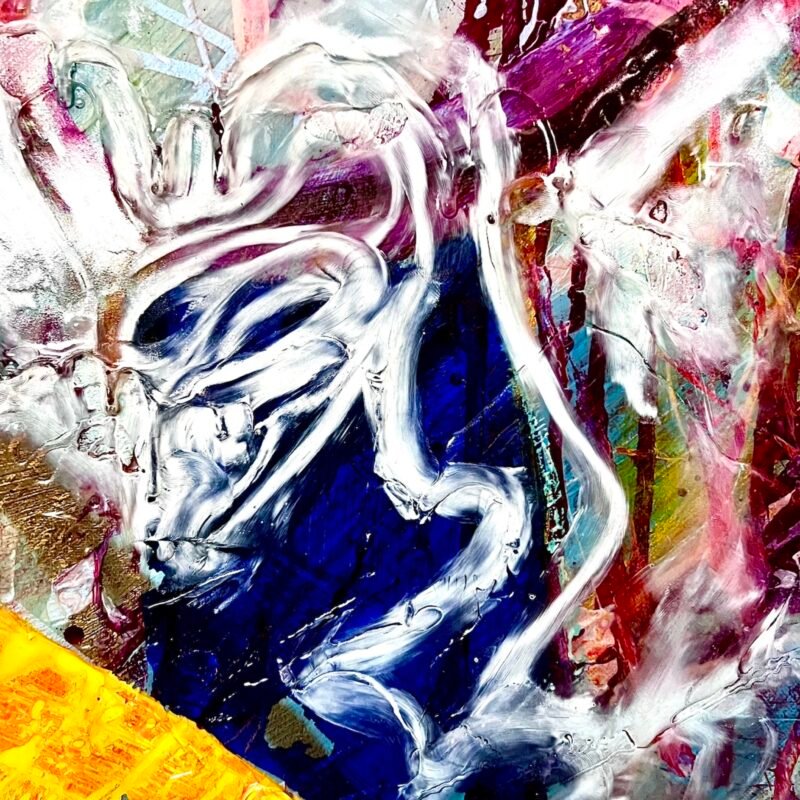
Material is not used as a decorative surface, but as an active component of image, perception and meaning. Material Studies examines how pigment, epoxy resin, chrome, glass, surface and layering alter light, produce images, hold time and activate bodily experience.
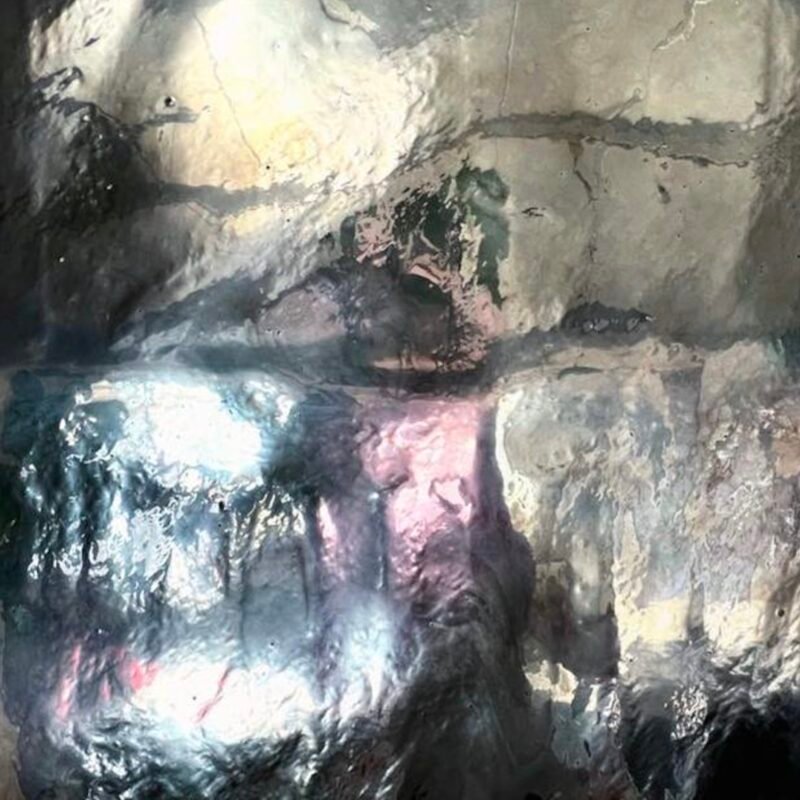
Epoxy resin functions in Marlon Nikolai's practice as a membrane, a space of depth and a medium of preservation. In both painting and sculpture, it enables different states between concealment and becoming visible, surface and spatial depth, present…
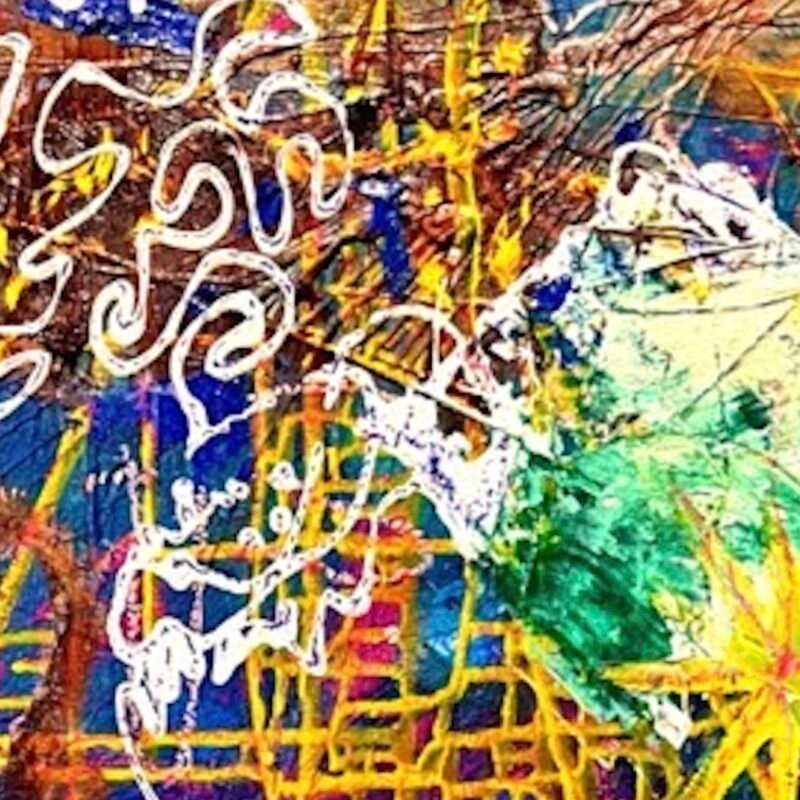
Pigment is material substance, optical carrier of colour and image-forming medium. In Marlon Nikolai's practice it is not a decorative coating, but an active means through which visibility, contrast, relation and pictorial space are organised. Pigment absorbs and…
Chrome incorporates light, space, viewers and movement into the appearance of the work. Its reflective surface does not present an isolated image; it makes perception relational and destabilises the idea of a single fixed viewpoint. What appears on…
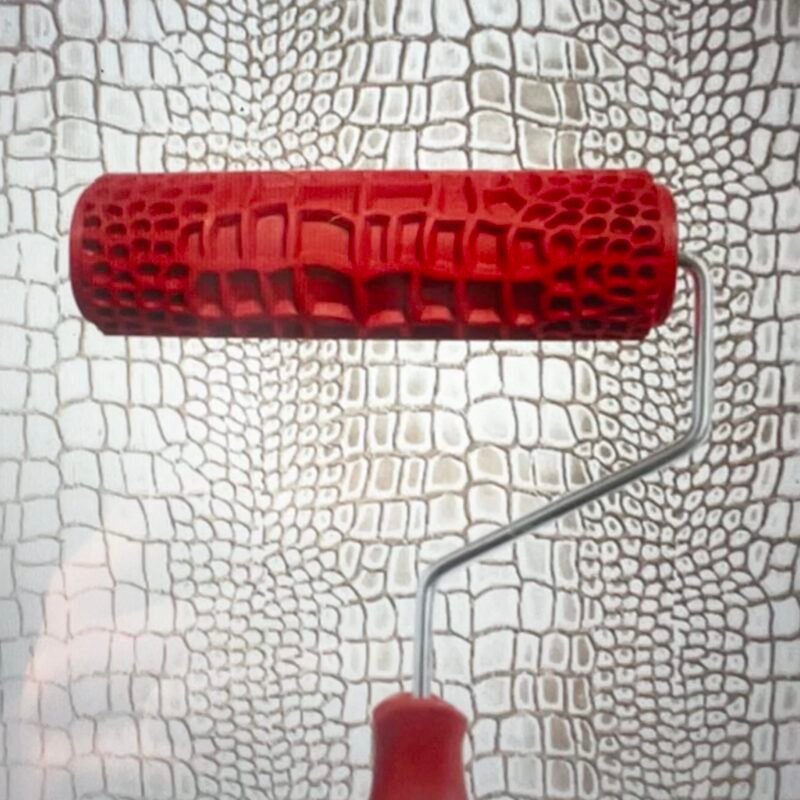
Surface carries gesture, time, pressure, resistance and material history. It is not merely an exterior, but the active field in which work, light, space and perception first meet. Gloss and mattness, smoothness and roughness, opacity, translucency, fracture and…
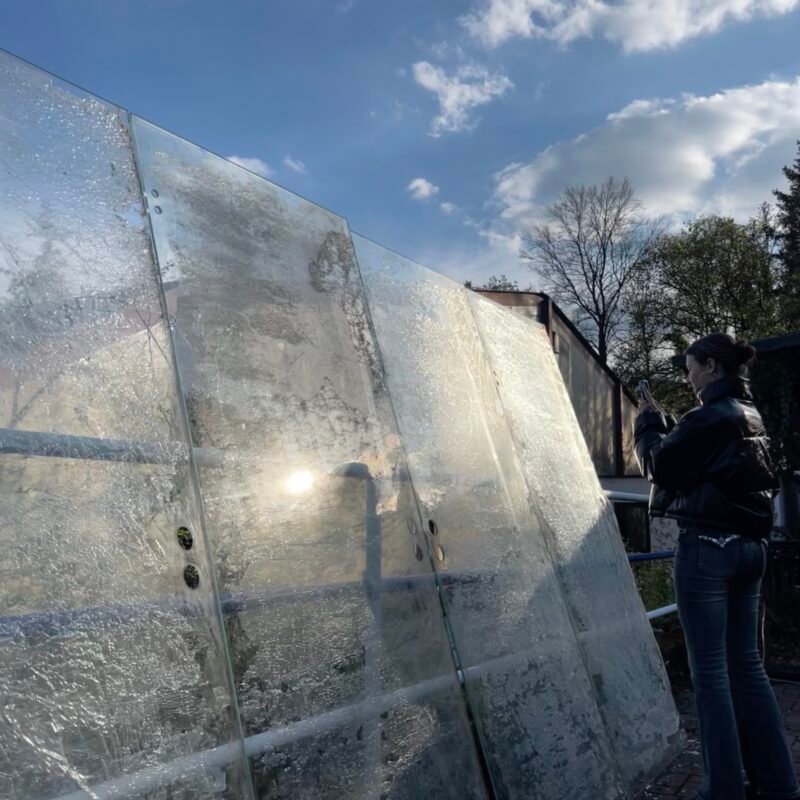
Glass is not a neutral support in Marlon Nikolai's practice. It operates simultaneously as surface, threshold and optical body: it transmits, reflects, refracts and partially conceals, placing image, light, environment and viewer in a changing relation. Its transparency…
Layering produces temporal and spatial depth, superimposition, concealment, partial access and the gradual emergence of form. Each layer adds a new state while altering the visibility and relation of what came before. Earlier gestures, pigments, traces or material…
Process & Studio Observations
Each study begins without a predetermined outcome. I work with material behavior, observing how it responds to environment, intervention, and duration. These observations inform both material decisions and conceptual direction.
Observation
I document how material reacts to light, gravity, and pressure.
Iteration
Small variations reveal new possibilities and tensions.
Recording
Photographs, samples, and notes become part of the archive.


 01
01