

Surface
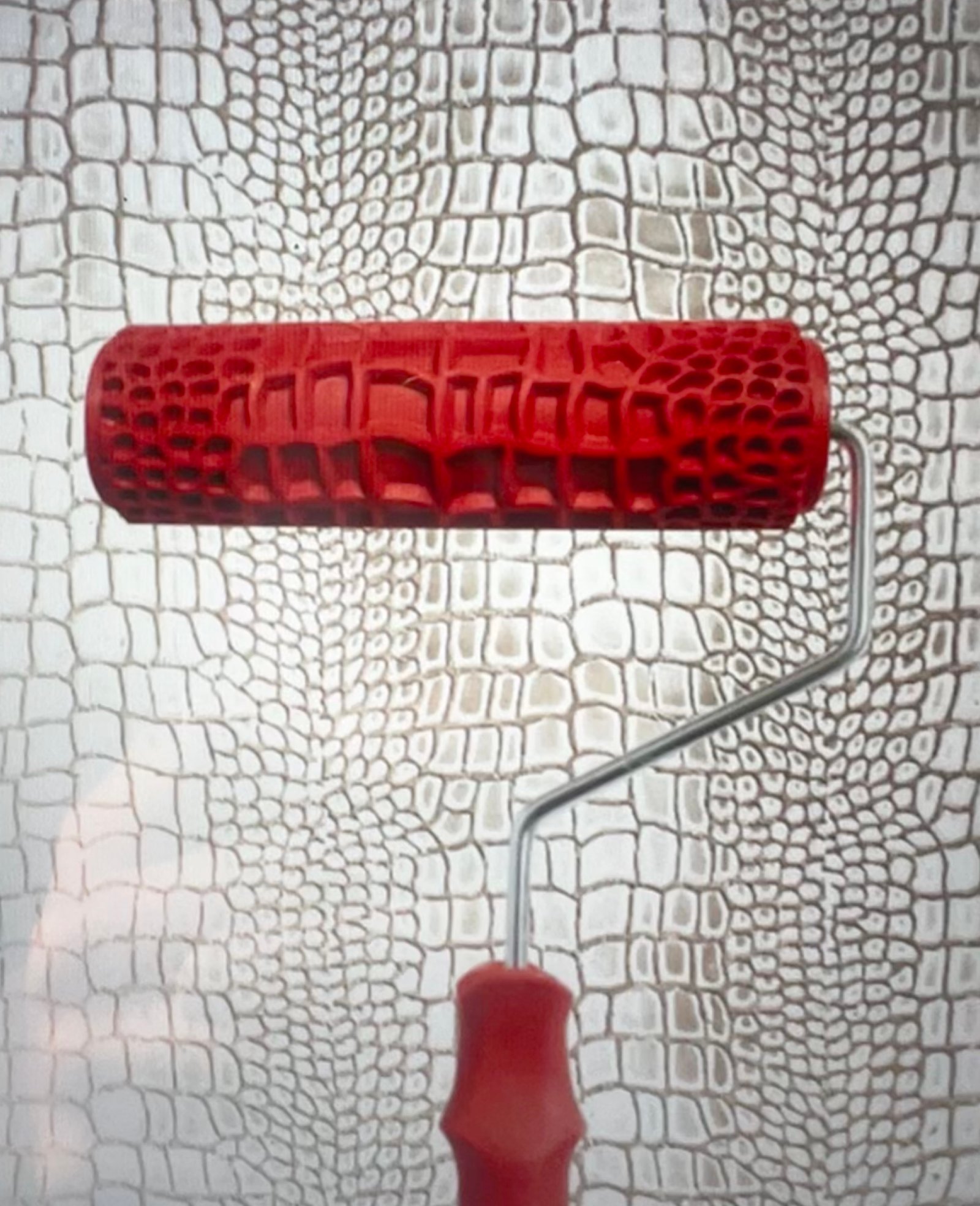
Surface carries gesture, time, pressure, resistance and material history. It is not merely an exterior, but the active field in which work, light, space and perception first meet.
Gloss and mattness, smoothness and roughness, opacity, translucency, fracture and reflection determine how light is received and redirected. These qualities influence whether the gaze remains at the exterior, moves into material depth or encounters a point of visual resistance.
A surface may preserve strokes, deposits, edges, transitions and traces of change. It can cover an earlier state without erasing it completely, or make underlying structures partially accessible. In this sense, surface functions as membrane and threshold: it separates, connects, reveals and withholds at once.
Its appearance is never independent of the situation. Distance, angle, movement and illumination continually reorganise what becomes visible. Surface therefore does not close the work; it opens a changing relation between material presence and sensory experience.