

Chrome
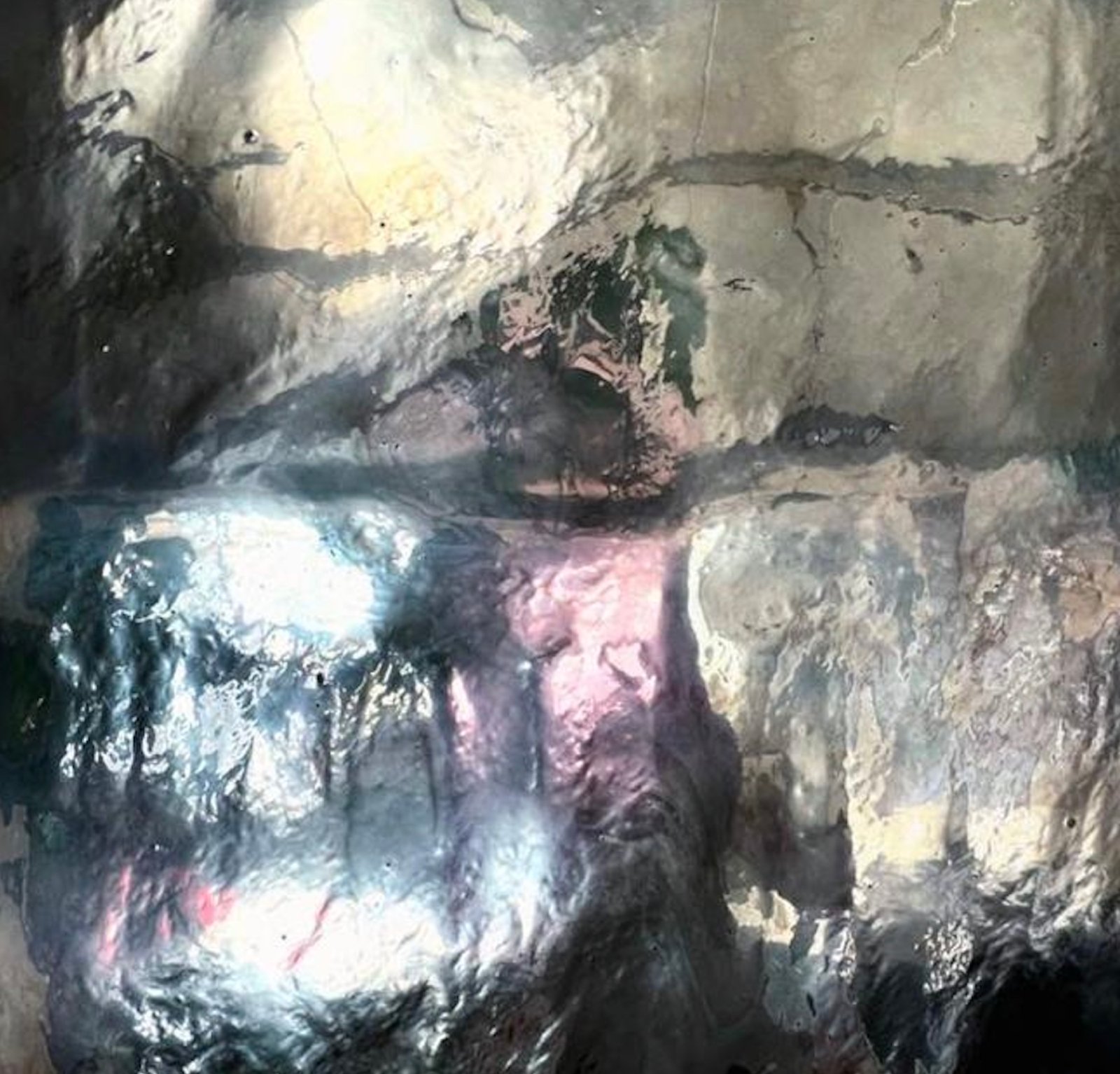
Chrome incorporates light, space, viewers and movement into the appearance of the work. Its reflective surface does not present an isolated image; it makes perception relational and destabilises the idea of a single fixed viewpoint.
What appears on chrome depends on the direction and intensity of light, the surrounding space, distance, angle and movement. Highlights, dark fields, contours and distortions shift as the perceptual situation changes. The surface therefore remains visually active even when the object itself is still.
Reflection introduces the surrounding world into the work without preserving it as a stable representation. Viewers encounter their own position as one variable among others. Presence, absence, proximity and distance become perceptible through continuous optical change rather than through a fixed message.
Chrome thus functions less as a decorative finish than as a material threshold between object and environment. It turns surface into a spatial event and makes visible that every appearance is conditioned: what can be seen depends on where, when and under which light the encounter takes place.